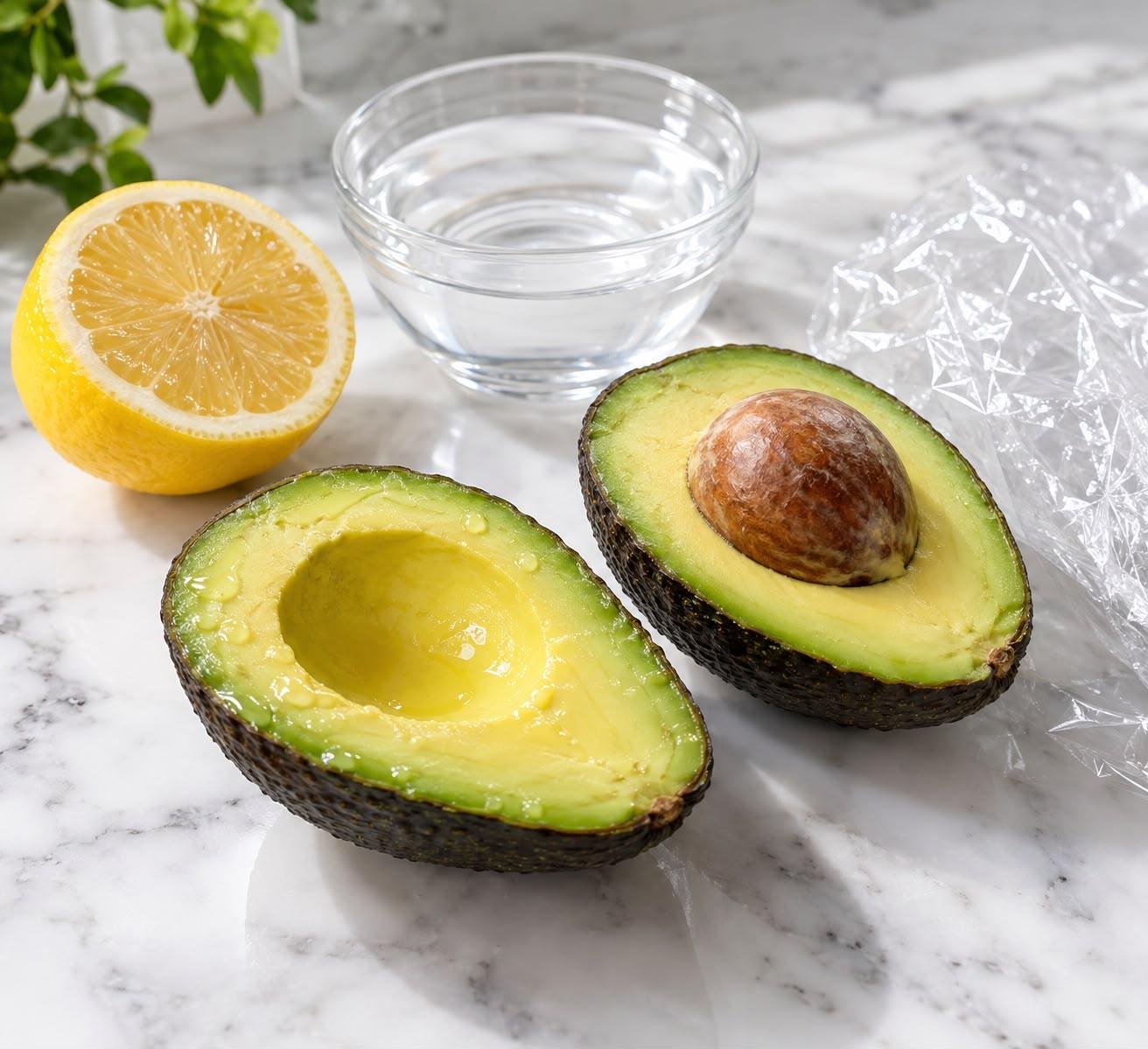
There’s nothing more frustrating than cutting open a perfect avocado, using half for your toast or guacamole, and coming back a few hours later to find the leftover half has turned an unappetizing shade of brown. It feels like a waste of money, and honestly, it’s one of the most common kitchen problems home cooks face. But here’s the good news: avocado browning isn’t inevitable. With the right techniques, you can keep your avocado fresh, green, and delicious for up to two days — sometimes even longer.
In this guide, we’ll explain the science behind why avocados turn brown, and share five proven methods that actually work, tested in real kitchens. No myths, no old wives’ tales — just practical solutions you can use today.
Why Do Avocados Turn Brown?
Avocado browning is caused by a natural enzyme called polyphenol oxidase. When you cut into the fruit, this enzyme comes into contact with oxygen in the air and triggers a chemical reaction that produces brown pigments called melanins. It’s the exact same process that makes sliced apples and bananas darken after being exposed to air.
The key thing to understand is this: oxygen is the enemy. Every method we’ll share below works on the same principle — creating a barrier between the avocado flesh and the air, or slowing down the enzyme’s activity. Once you understand that, you’ll never look at a brown avocado the same way again.
Method 1: Lemon or Lime Juice
This is the classic method that chefs have used for decades, and for good reason — it works. Citric acid in lemon or lime juice lowers the pH on the surface of the avocado, which significantly slows down the enzyme activity responsible for browning.
Here’s how to do it right: brush a thin, even layer of fresh lemon or lime juice directly onto the exposed flesh of the avocado half using a pastry brush or your fingers. Don’t soak it — a light coating is enough. As a bonus, the citrus adds a fresh, bright flavor that pairs beautifully with avocado in salads, toast, and dips.
If you don’t have fresh lemons, bottled lemon juice works in a pinch, though fresh is always better for flavor.
Method 2: Plastic Wrap Pressed Directly on the Flesh
Most people store avocado halves by loosely wrapping them in plastic or tossing them into a container. The problem? Air still gets in. The secret is to press the plastic wrap directly against the surface of the avocado flesh, with absolutely no air gap between the wrap and the fruit.
This technique, called “direct contact covering,” eliminates the pocket of air that would otherwise surround your avocado and trigger oxidation. For best results, combine this method with lemon juice: brush the juice on first, then press the wrap directly onto the surface, then place it in an airtight container.
Stored this way, your avocado will stay noticeably greener for up to two full days in the refrigerator.
Method 3: Store With a Cut Onion
This method sounds like a kitchen myth, but it’s actually backed by real chemistry. When you cut an onion, it releases sulfur compounds into the air. These compounds create a protective atmosphere inside a sealed container that dramatically slows down the oxidation process — not just for the onion, but for anything stored alongside it.
Here’s how to do it: place your leftover avocado half in an airtight container with a chunk of freshly cut red or yellow onion. Seal the container and refrigerate. The sulfur gases fill the container and protect the avocado’s surface from oxygen.
And no — your avocado will not taste like onion. The flavor transfer is minimal, especially if you only store them together for a day or two. This is actually the preferred method of many professional kitchens for storing guacamole overnight.
Method 4: Submerge in Water
This method is perfect for mashed avocado, guacamole, or avocado spread. Transfer your mixture into a small container with a tight-fitting lid, then press plastic wrap directly onto the surface of the mixture. Then — and this is the key step — pour a thin layer of water over the plastic wrap before sealing the lid.
The water creates a complete oxygen barrier. Since the plastic wrap is between the water and the food, your guacamole doesn’t get soggy. When you’re ready to eat, simply pour off the water, remove the wrap, and give it a quick stir. Your guacamole will look almost as fresh as the day you made it.
Stored this way, guacamole stays green for up to three days in the refrigerator — a game changer if you like to meal prep.
Method 5: Olive Oil Brush
A light brush of olive oil creates a thin fat barrier that blocks oxygen from reaching the avocado’s surface. This method is especially useful if you plan to use the avocado in a salad or on toast, where the oil complements the dish anyway.
Use a pastry brush to apply a very light, even coating of extra virgin olive oil to the exposed flesh. Then wrap tightly or store in an airtight container. Avoid using too much oil — a heavy layer can make the texture greasy.
One advantage of this method is that the avocado stays ready-to-eat: no rinsing, no drying, just slice and serve.
Which Method Works Best?
After testing all five methods side by side, the winning combination is clear: lemon juice + plastic wrap pressed directly on the flesh + airtight container. This trio keeps avocado halves green and fresh for up to two days with zero flavor compromise.
For guacamole, the water method is unbeatable — it extends freshness up to three days. And if you’re in a pinch with no lemon and no wrap, the onion trick will save your avocado overnight.
Frequently Asked Questions**
Can you eat brown avocado? Yes — browning is purely cosmetic. The avocado is still safe to eat, though the flavor may be slightly more bitter. Simply scrape off the top brown layer to reveal the green flesh underneath.
Does the pit prevent browning? Leaving the pit in one half does slow browning slightly on the surface touching the pit, but it doesn’t protect the rest of the flesh. Always combine it with another method.
Can you freeze avocado? Yes! Mash the avocado with a little lemon juice, store in an airtight container, and freeze for up to three months. Perfect for smoothies and guacamole.
The Bottom Line
Brown avocado is a solved problem. With lemon juice, plastic wrap, and an airtight container, you’ll keep your avocados green, fresh, and waste-free. Stop throwing away half of this expensive fruit — start using these five proven methods today, and enjoy every single bite.